In 2015, we launched a ten-year partnership with the International Small Group Tree Planting Program (TIST) in Kenya, aiming to plant one million trees.
About the partnership
Our partnership with TIST originally set out to engage 4,000 smallholder farmers from four of our Kenya Tea Development Agency (KTDA) supplier factories in and around Mount Kenya.
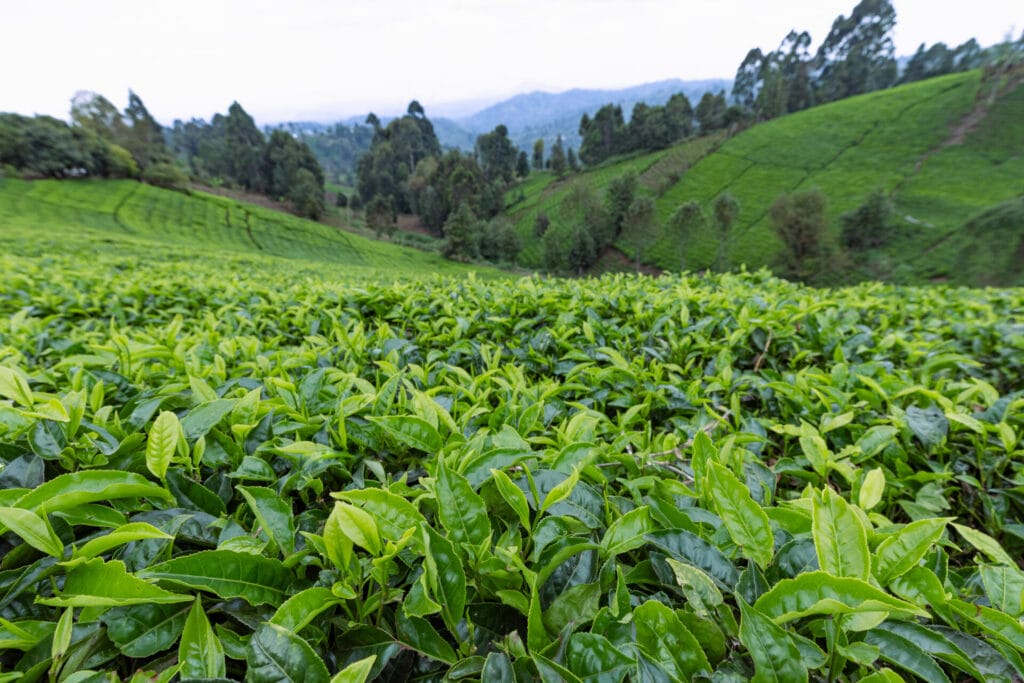
This is one of our most important tea-growing regions. Much of the land owned by the tea farmers who supply us has been stripped of its natural tree cover. Planting native species is helping to restore and protect these areas, while also supporting the farms in practical ways.
Trees at the top of the farms hold the soil and prevent water run-off during the rainy season. Between the tea bushes, they provide shade in the dry months and shelter when it’s cold. Many farmers have introduced fruit trees such as avocado, and macadamia, which provide an additional source of income beyond tea.
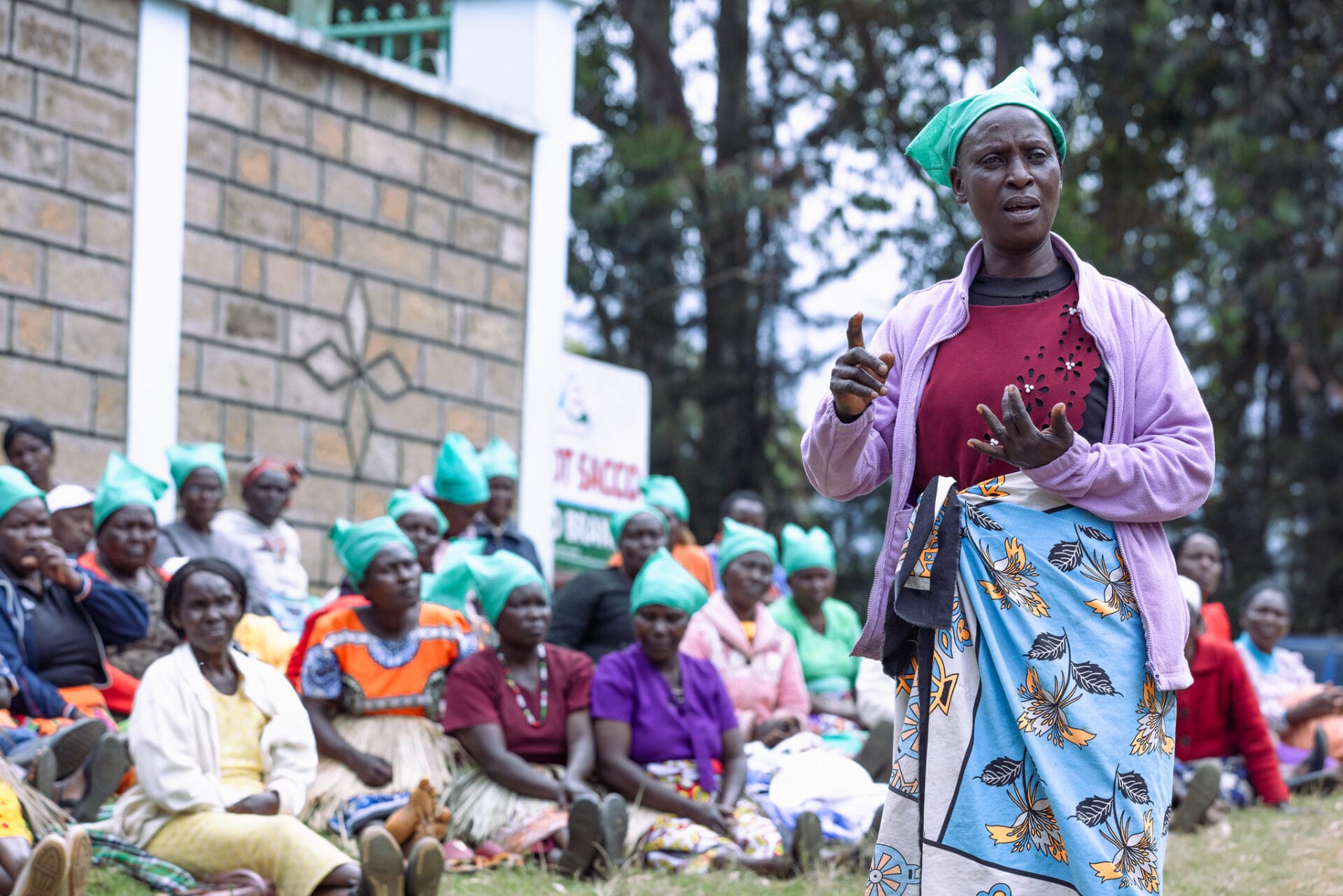
A TIST cluster group meeting.
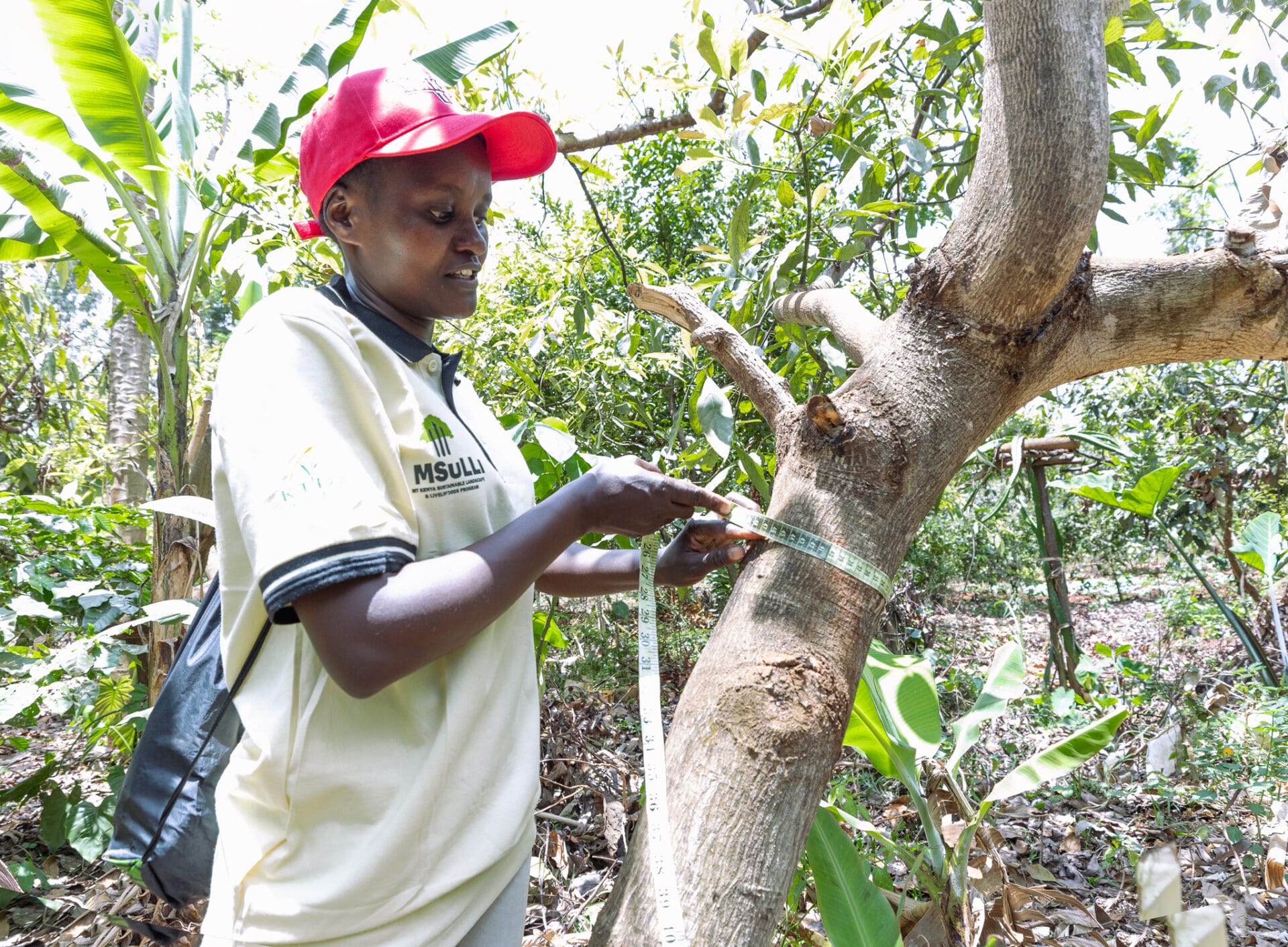
Agnes, a TIST cluster servant, completes a tree quantification.
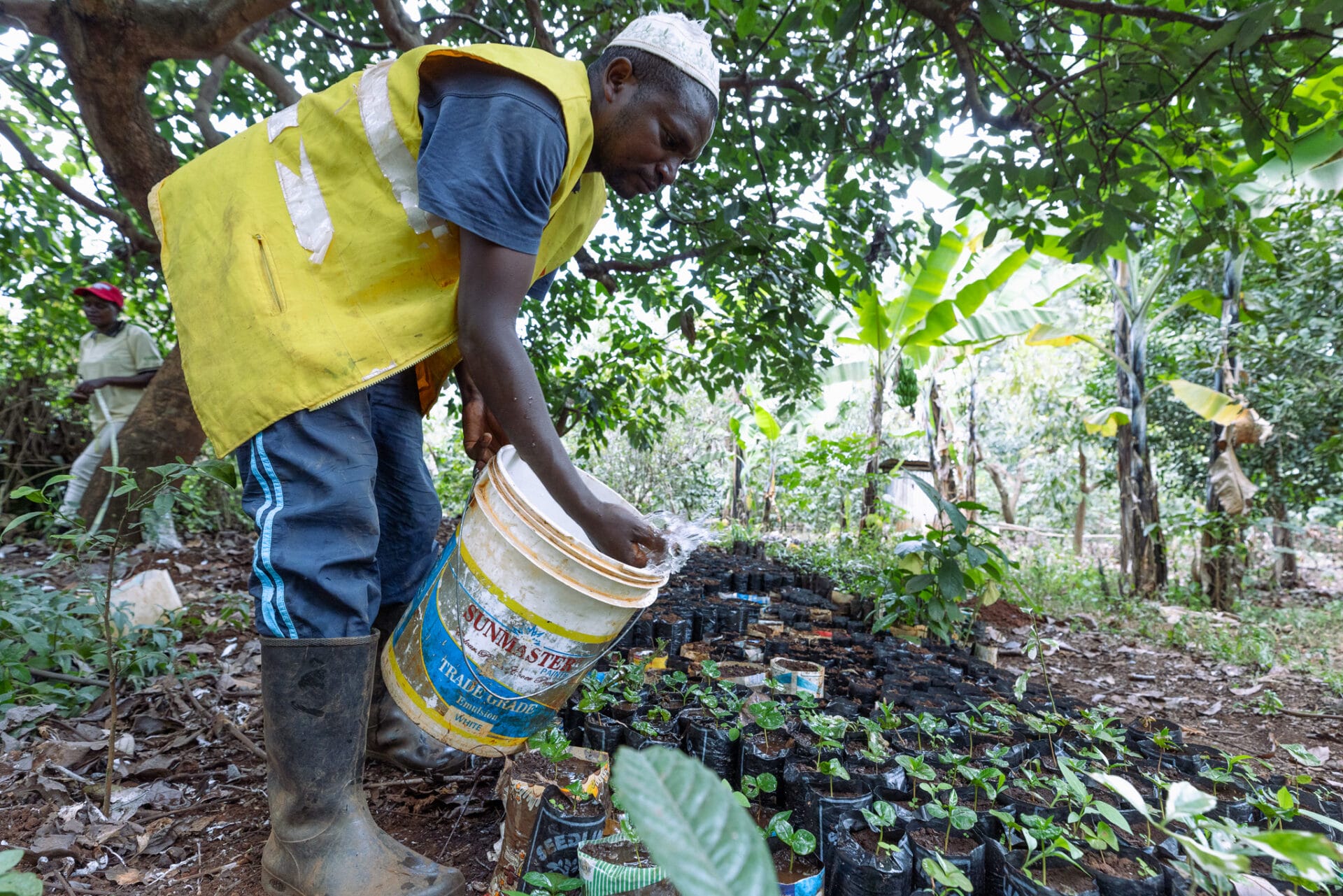
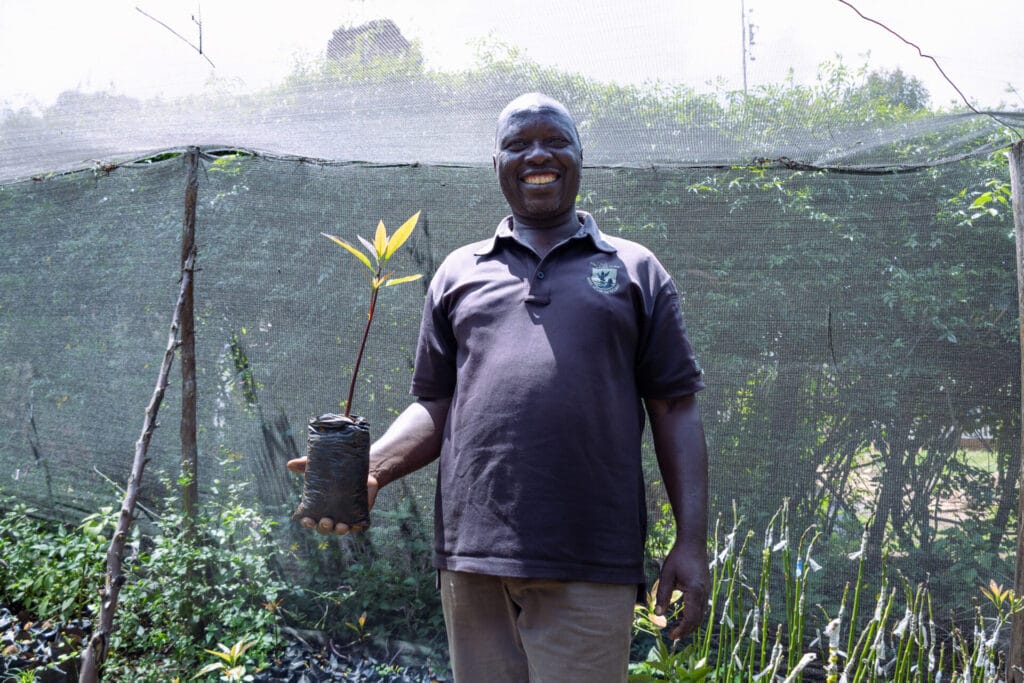
Mohamed has developed his tree nursery as a TIST farmer.
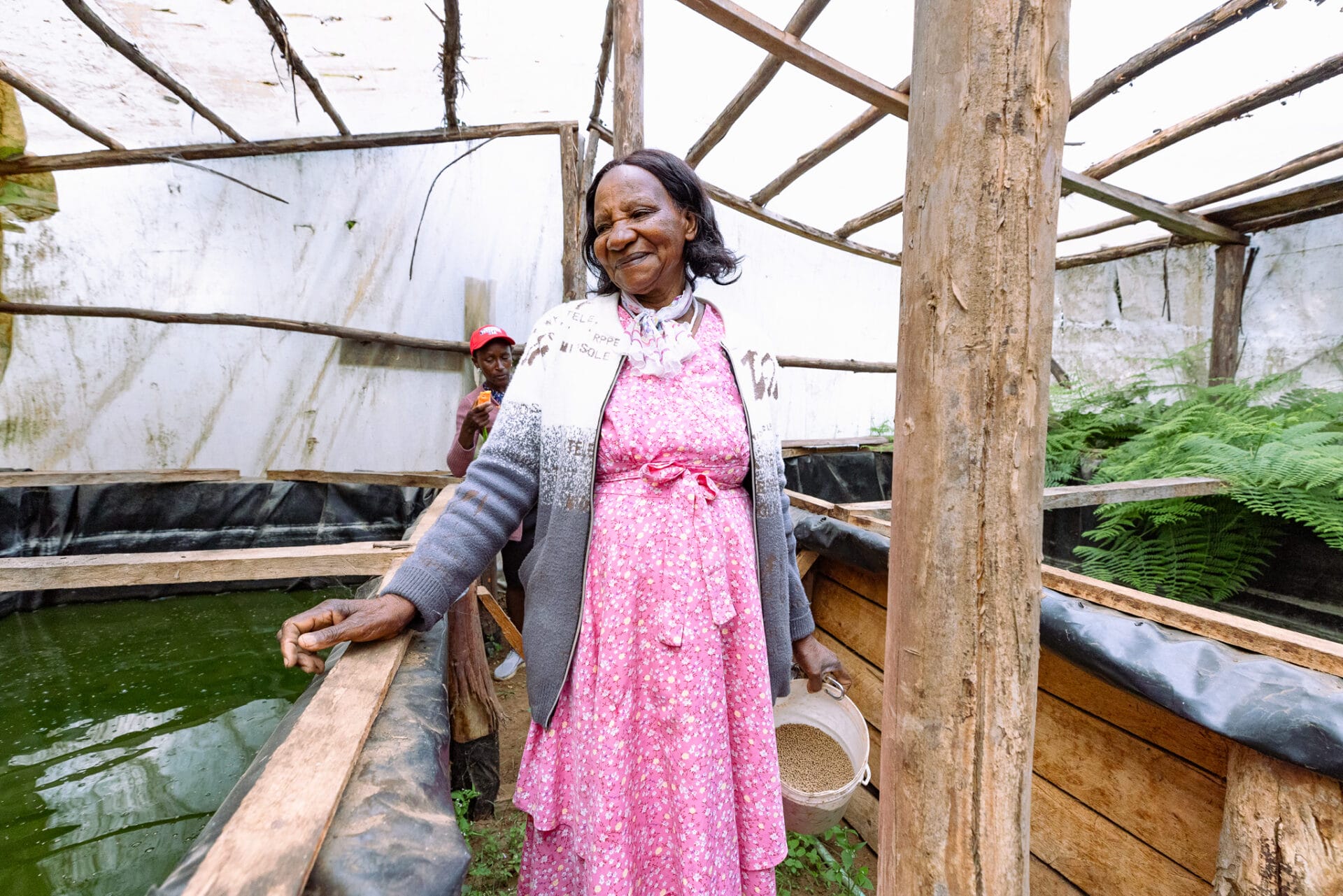
Jeniffer is a TIST farmer growing tea and coffee, as well as a fruit trees and vegetables.
How it works
At the heart of TIST is a simple but powerful model: empower farmers to take climate action while improving their livelihoods.
Farmers choose to join TIST because they see the benefits—healthier farms, stronger communities, and a better environment. These farmers work together in small groups (or “clusters”) that support each other by sharing best practices for sustainable conservation farming. Once a farmer joins, trained local leaders known as “Cluster Servants” visit their land to record the current environmental conditions.
Farmers plant trees on degraded or unused land, choosing species that suit their needs—whether for shade, fruit, timber, or soil improvement. A fundamental principle of TIST is that farmers choose what works best for their farms without imposing specific requirements on tree species or crops. This respect for farmers’ choices often leads them to follow the successful best practices of their peers.
Every tree is counted and tracked and the data is made publicly available, ensuring transparency and accountability. After 5 years of tree growth, tree mass and the volume of carbon stored in the trees can be measured, verified to international standards, and sold as certified carbon credits.
Members agree to maintain the trees for 30 years in return for a 70% share of the net profits from carbon credit sales.
Beyond Tree Planting
TIST is more than a tree planting initiative, it supports sustainable farming practices and builds long-term resilience for farming communities through:
- Agroforestry and Conservation Farming: Farmers are trained in techniques that improve soil health, reduce erosion, and increase water retention which lead to better crop yields, improved food security, and more sustainable land use.
- Income Diversification: In addition to carbon payments, farmers grow fruit and nut trees, such as macadamia and avocado, and keep bees for honey production.
- Leadership and Learning: TIST’s structure encourages leadership at every level. Small Groups (6–12 farmers) form Clusters (200–400 farmers), creating a network of support and knowledge-sharing, including access to educational resources. Farmers become trainers, mentors, and champions, spreading sustainable practices across their communities.
- Gender and Youth Empowerment: Women and young people are actively encouraged to take on leadership roles within TIST, strengthening the sense of community and ensuring that benefits are widely shared.
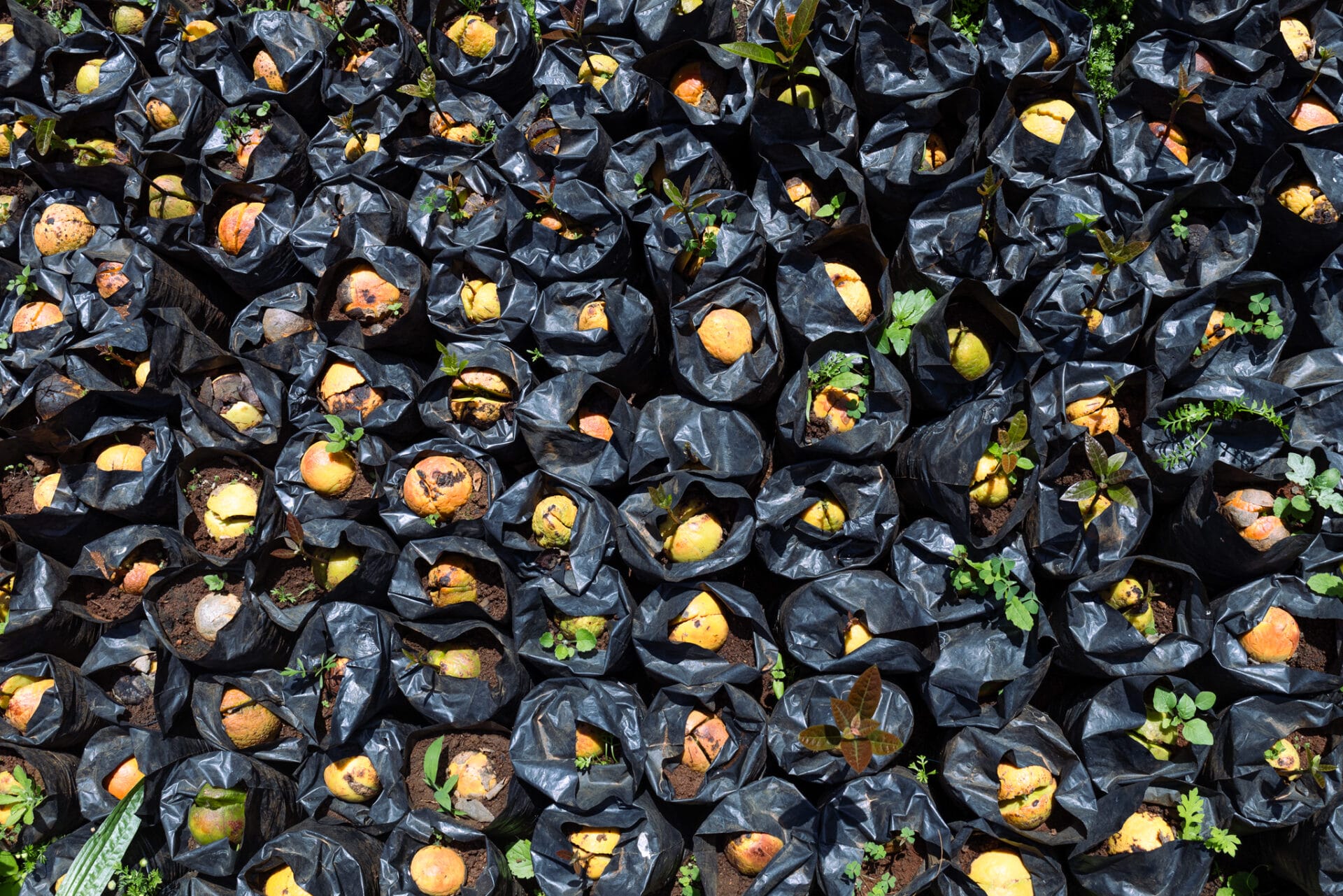
- Nursery Development: Small Group and Cluster nurseries grow indigenous tree species vital for reforestation and biodiversity. These nurseries also serve as learning hubs and provide additional income.
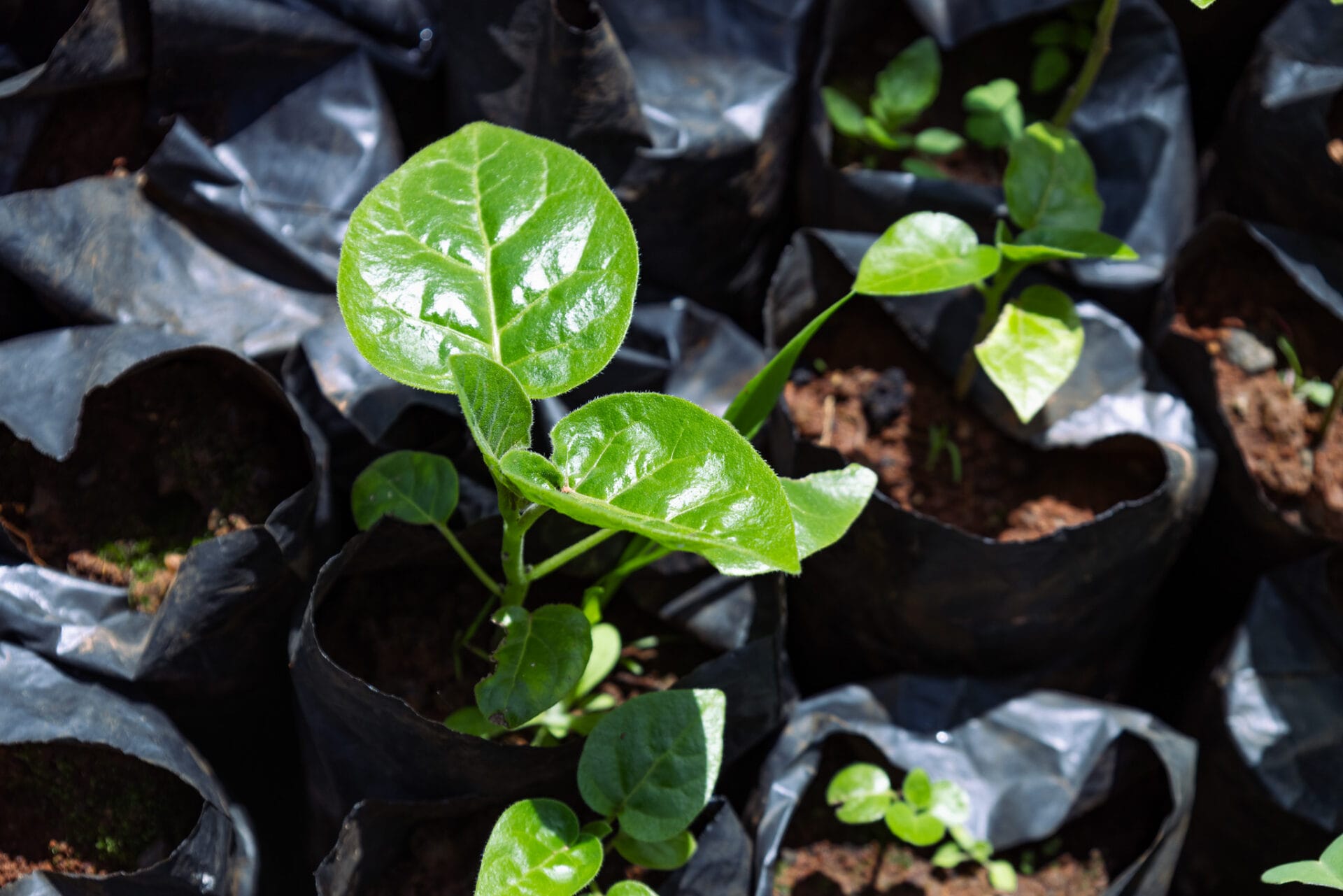
Having Bettys & Taylors invest in TIST has made it possible to reach out to many subsistence farmers in Kenya. In doing so, we’ve been able to grow more trees and grow more leaders.
-Alphaxard Kimani, TIST Founding Member and Operational Leadership Council.
"Highlights from the partnership
Overall, the project has significantly outperformed its original projections across all key metrics with over 14,500 small group members (vs. a target of 3,360) and nearly 5 million trees planted.
Our partnership with TIST is one of our longest running value chain investment projects. Not only does the programme strengthen livelihoods but also generates carbon credits, which enabled us to achieve CarbonNeutral® status (for our products) in 2020.
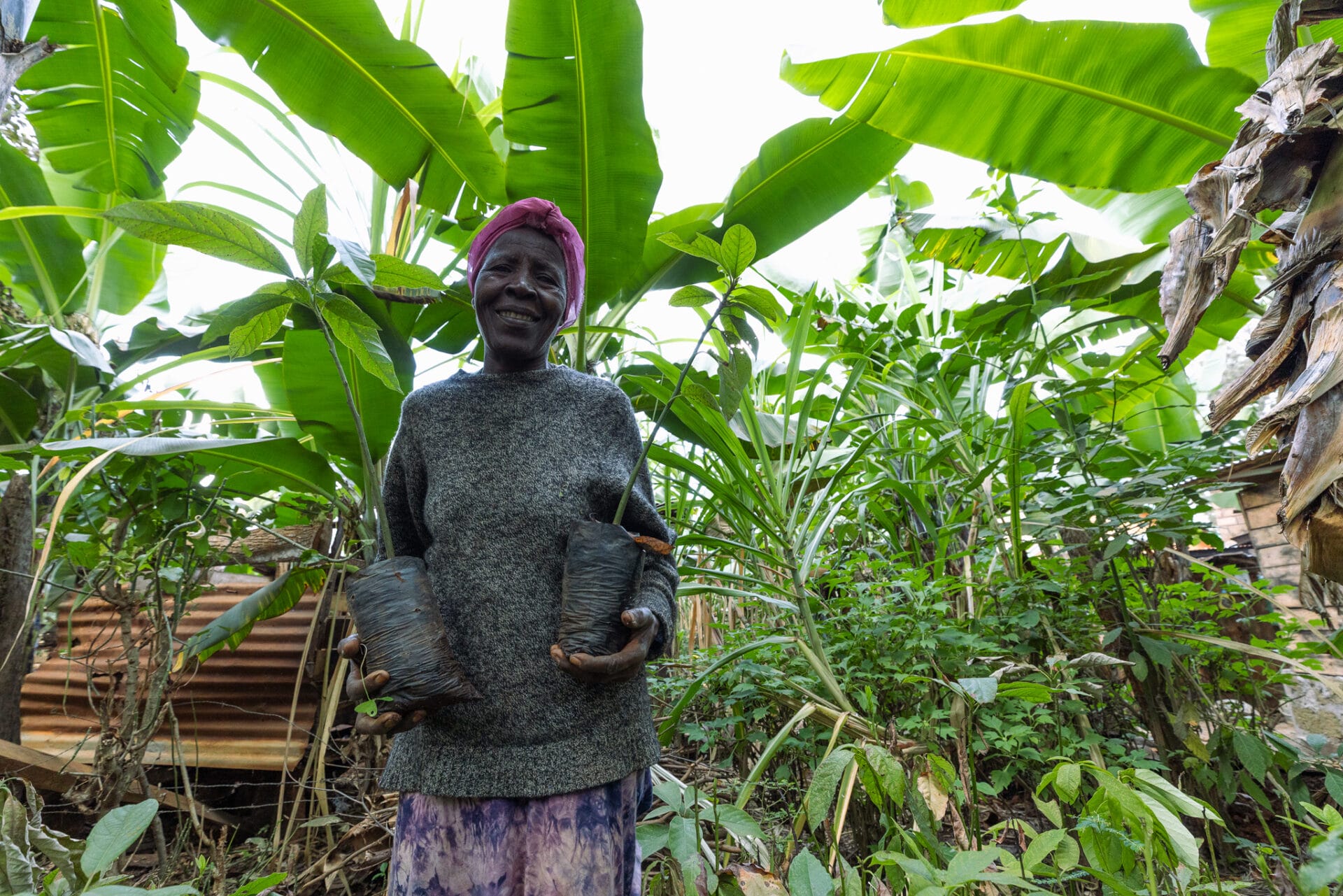
Evaryne is a proud member of the Muthambi cluster.
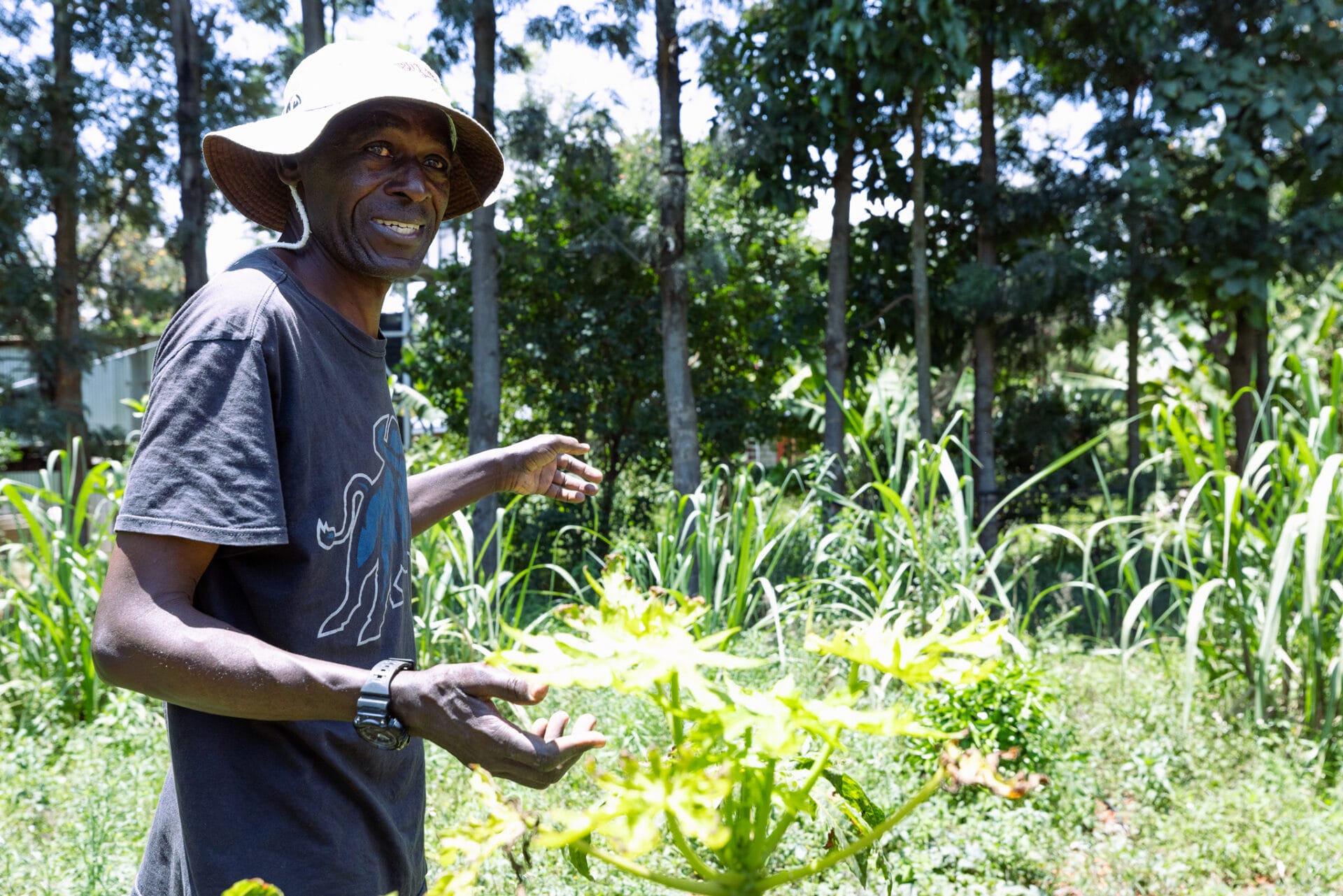
Gabriel has been involved with TIST for many years, and is a passionate advocate for the programme.