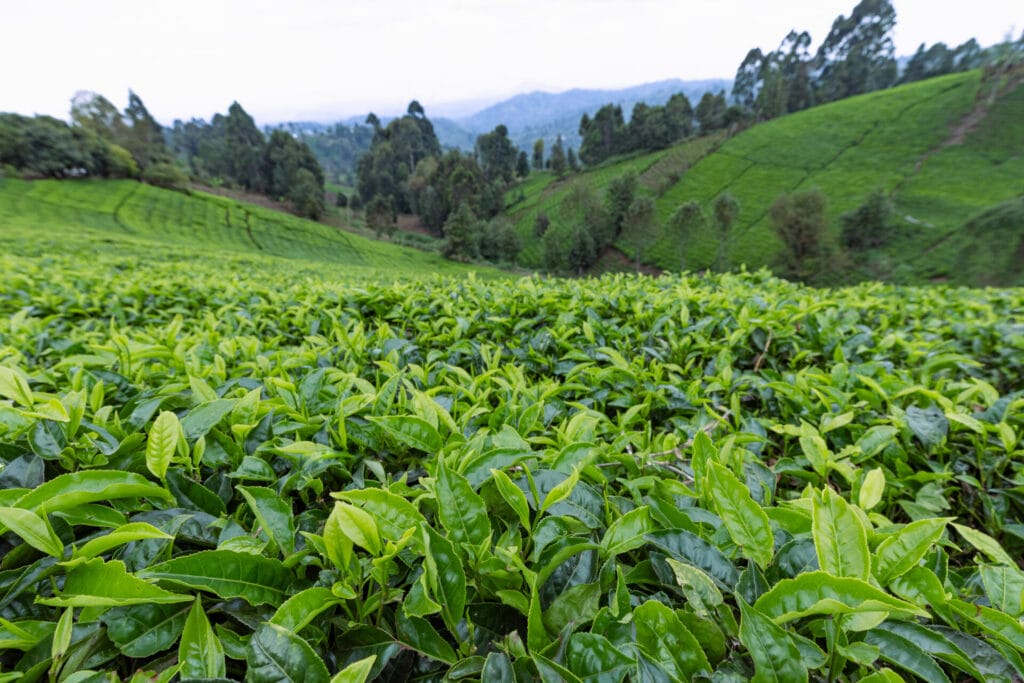
Malawi is one of the world’s poorest countries, with a large proportion of the population living in rural communities and below the national poverty line. The Malawian tea industry is one of the biggest employers, with more than 60,000 people directly employed, and many more livelihoods dependent on it.
While women make up a significant proportion of Malawi’s tea industry, they are underrepresented in leadership roles, often work within historically male-dominated management structures, facing barriers to progression and increased vulnerability to exploitation.
To try and address the underlying issues that can lead to human rights risks on estates we buy from, in September 2021 we launched a project with the Ethical Tea Partnership (ETP) and Lujeri Tea Estates called Ulalo (or ‘Bridge’).
The project’s goal was to tackle deep-rooted gender inequality in Malawi’s tea supply chain, with the aim of empowering women by enhancing their economic resilience—breaking down barriers to finance, building confidence, and encouraging decision-making.
About the programme
The three-year project, in which we invested just under a quarter of a million pounds, established 502 community savings groups known as Village Savings and Loan Associations (VSLAs).
These groups, with over 8,000 members (around half of whom are women), have proven to be a powerful tool for financial empowerment and stability, helping to reduce reliance on exploitative lending practices such as loan sharks.
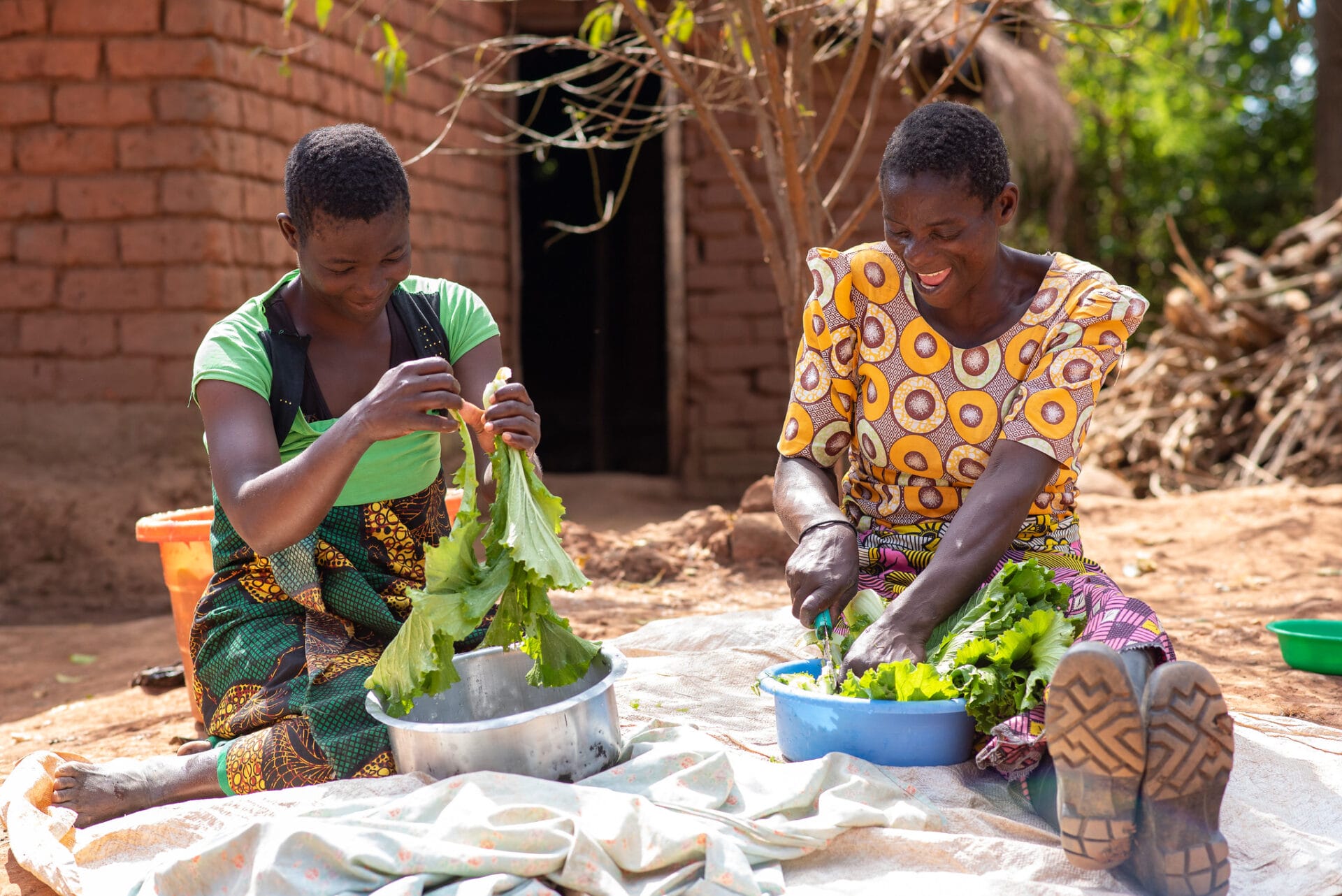
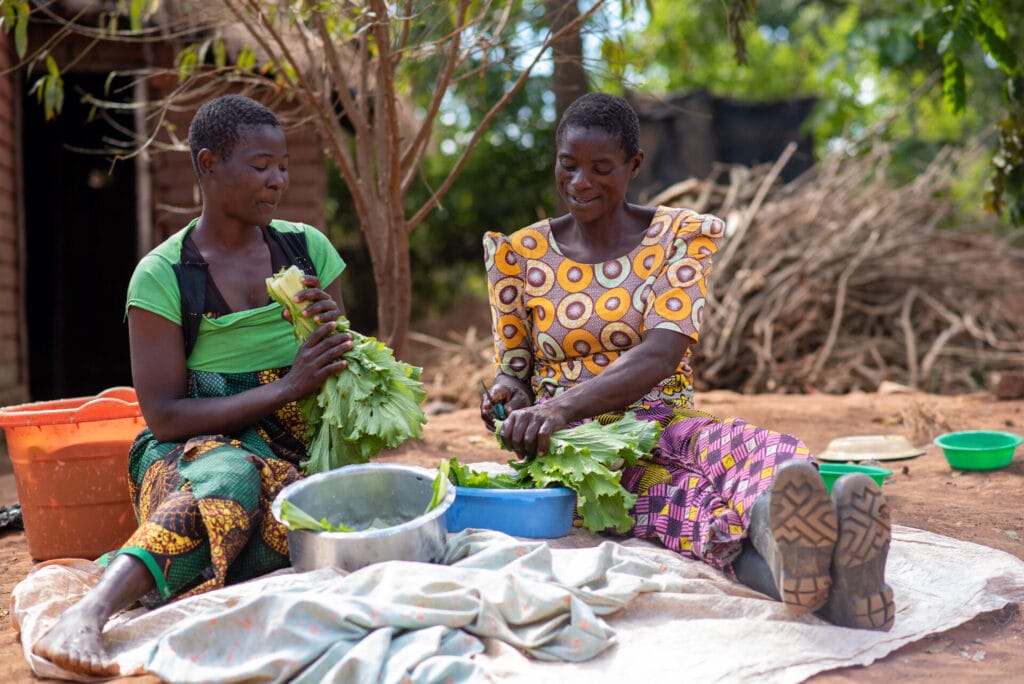
Christina Daelo (right) prepares vegetables for lunch with a relative.
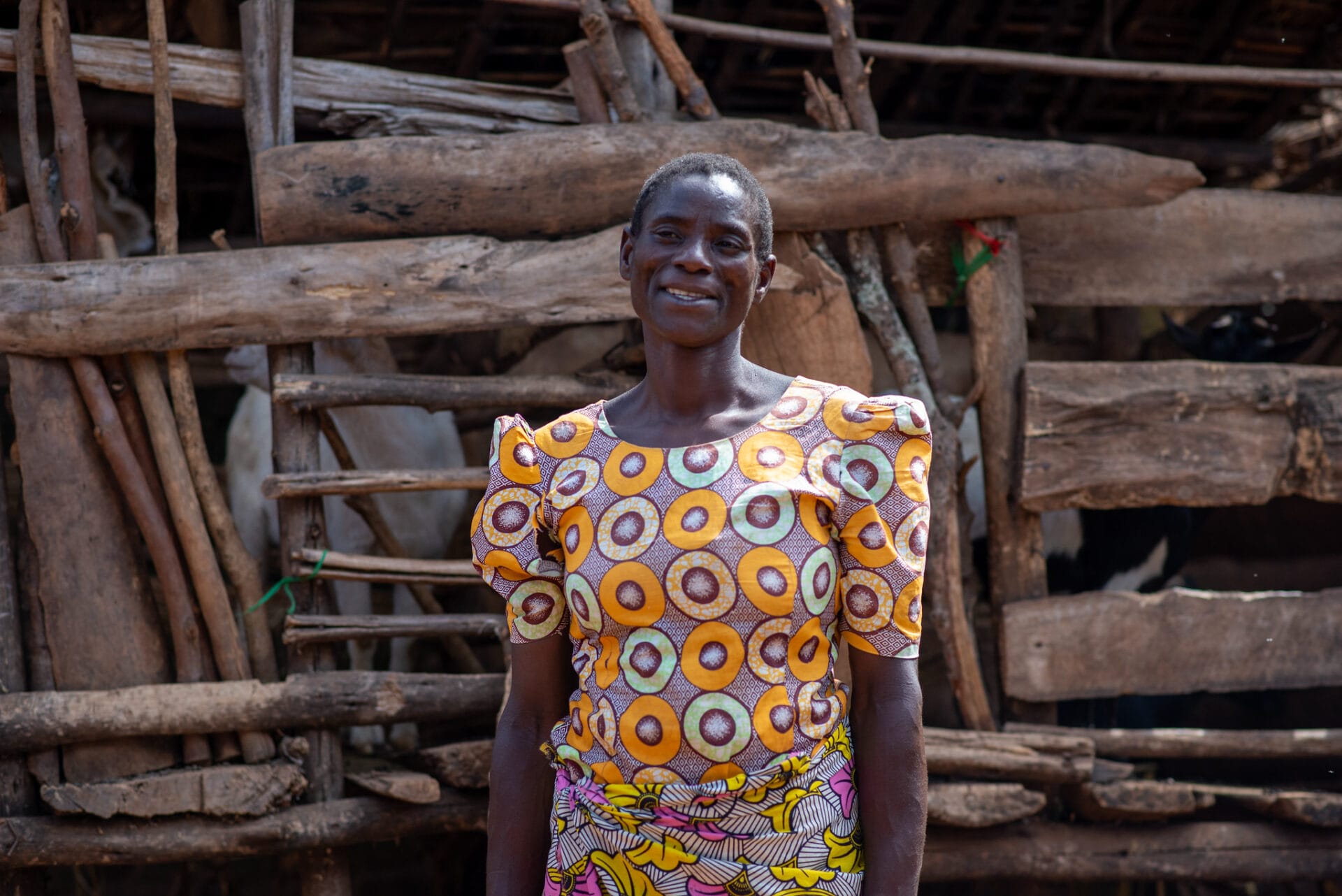
Christina Daelo poses in front of her goats kraal. By participating in the Ulalo programme, she has been able to save money through the Maso Patsogolo VSLA and buy her own livestock.
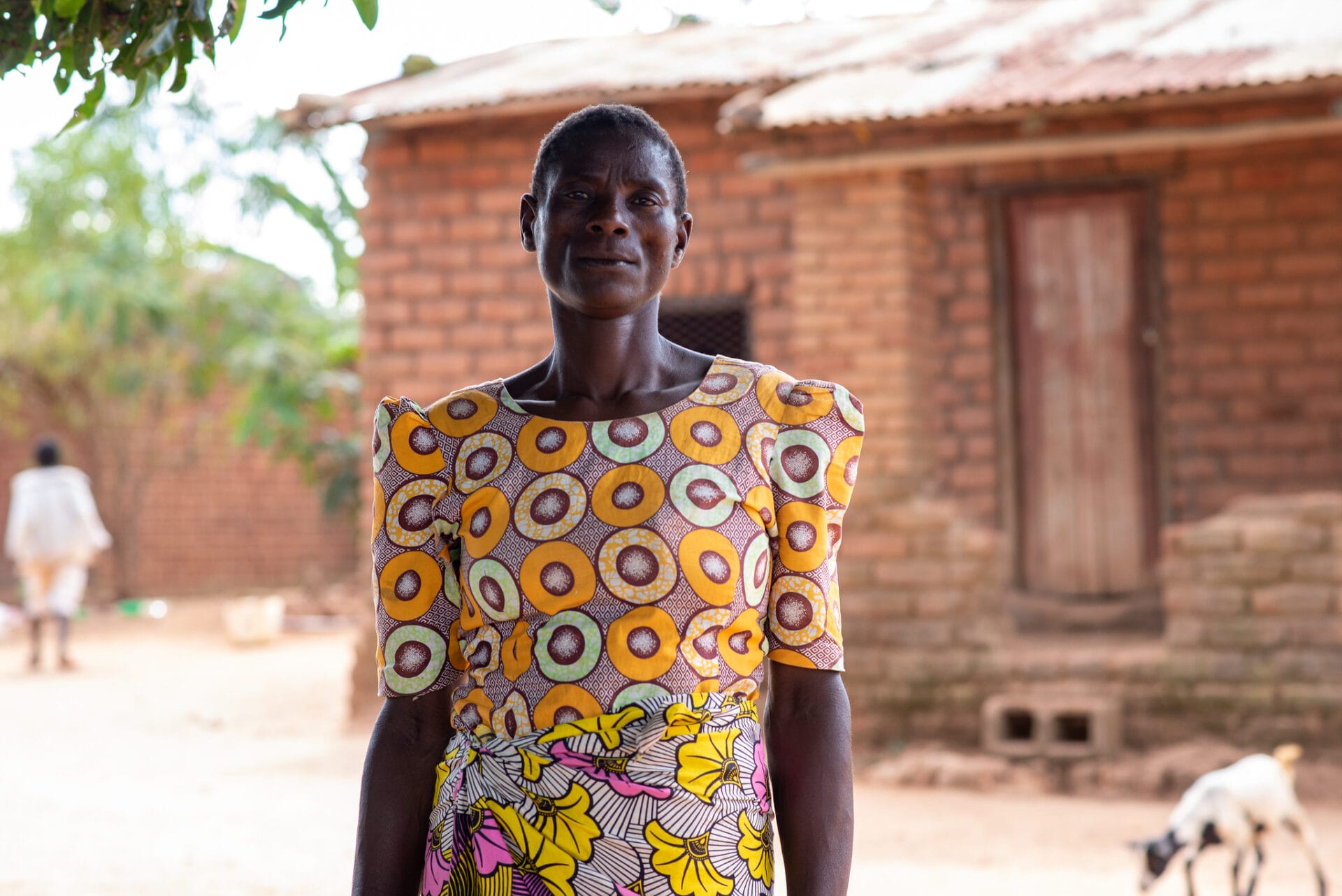
Christina Daelo stands in front of her house as it reaches the final stages of construction. The Ulalo programme has allowed her to save and build her own home through the Maso Patsogolo VSLA.
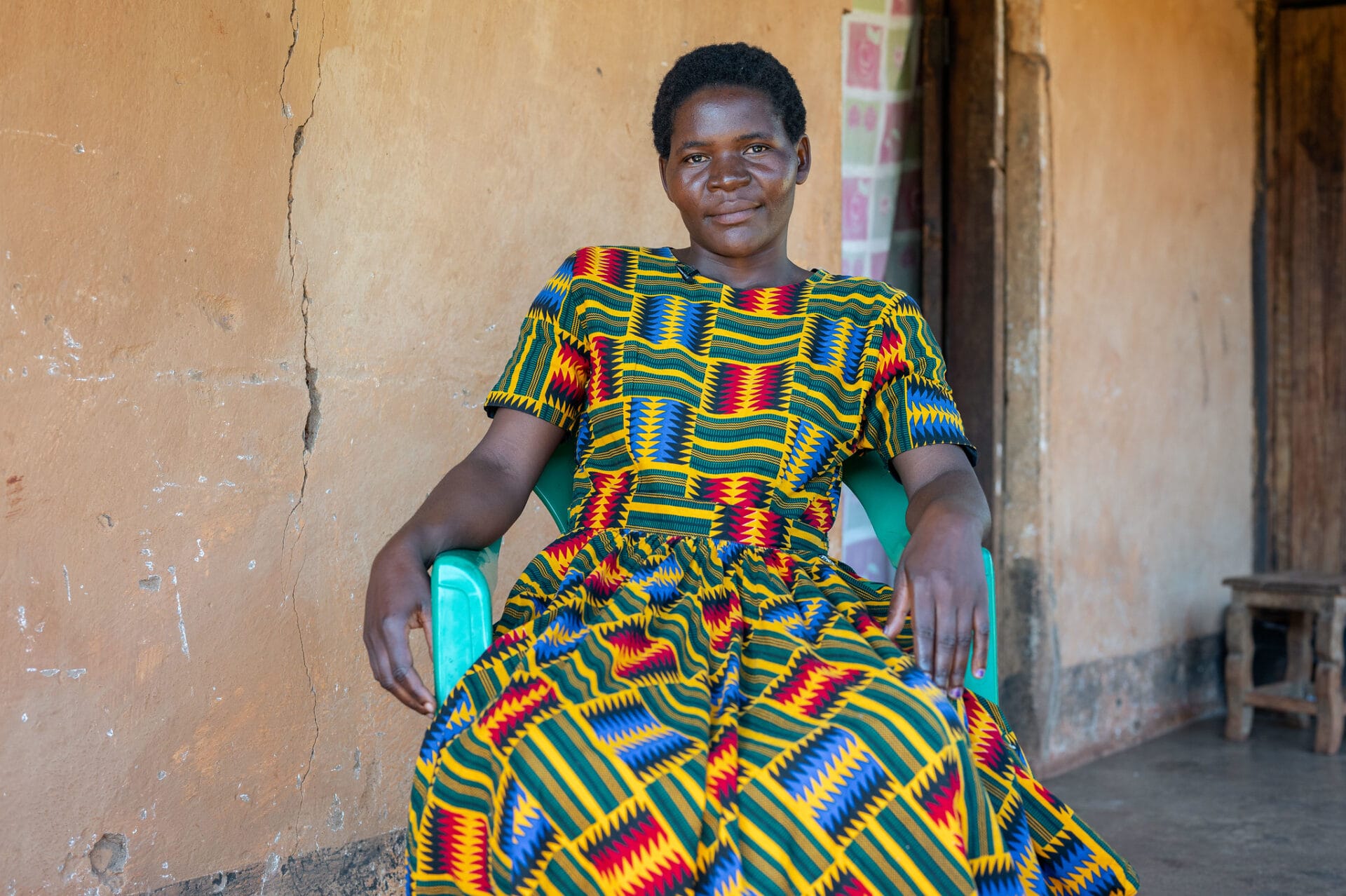
A potrait of 32-year-old Eliza Bangula, who works in the Mikukuni Division of Lujeri Tea estate.
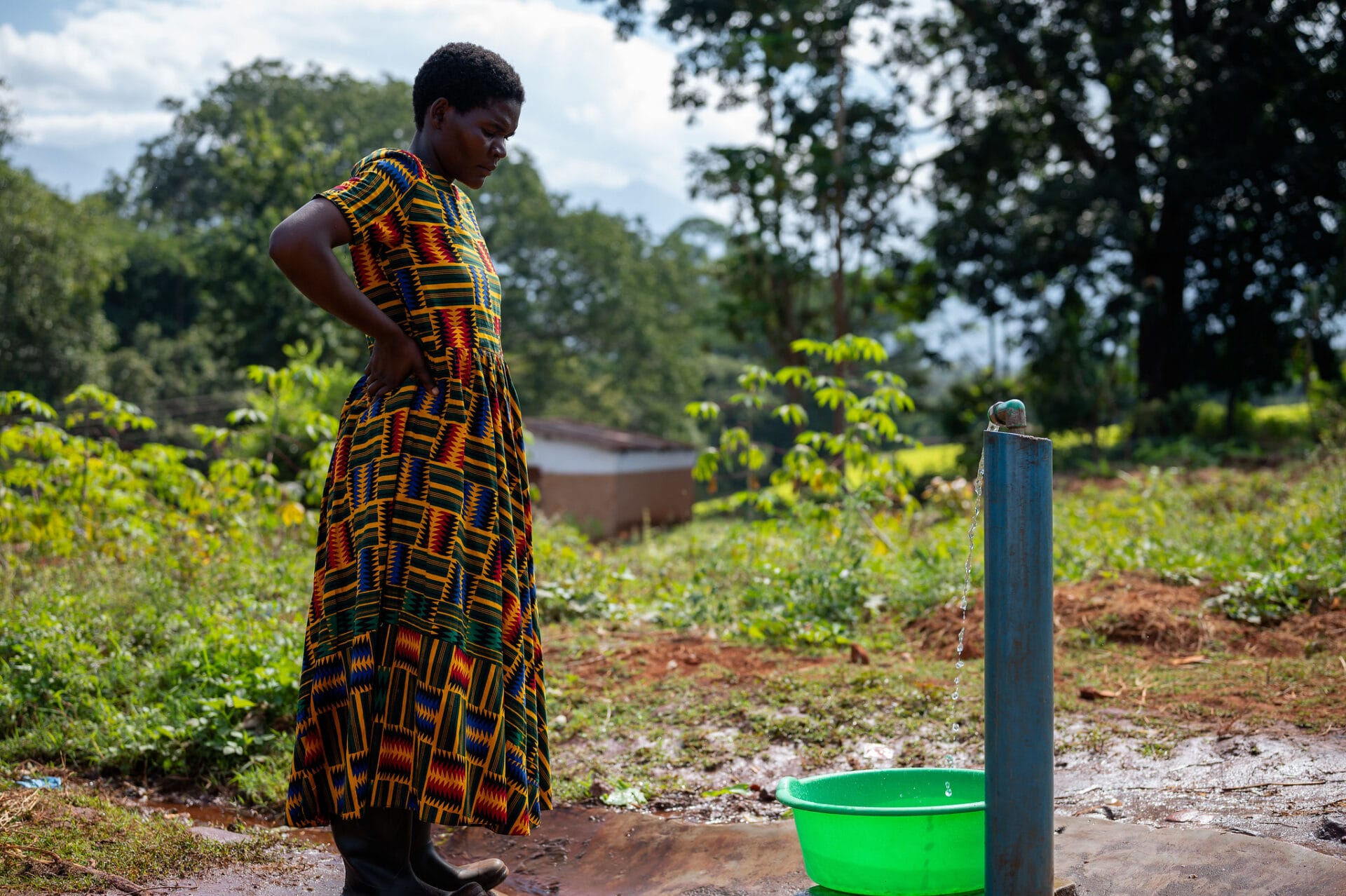
Taking part in the Ulalo programme and saving money through the Amayi Otsogola VSLA gave Eliza an alternative to borrowing money from loan sharks at high rates of interest.
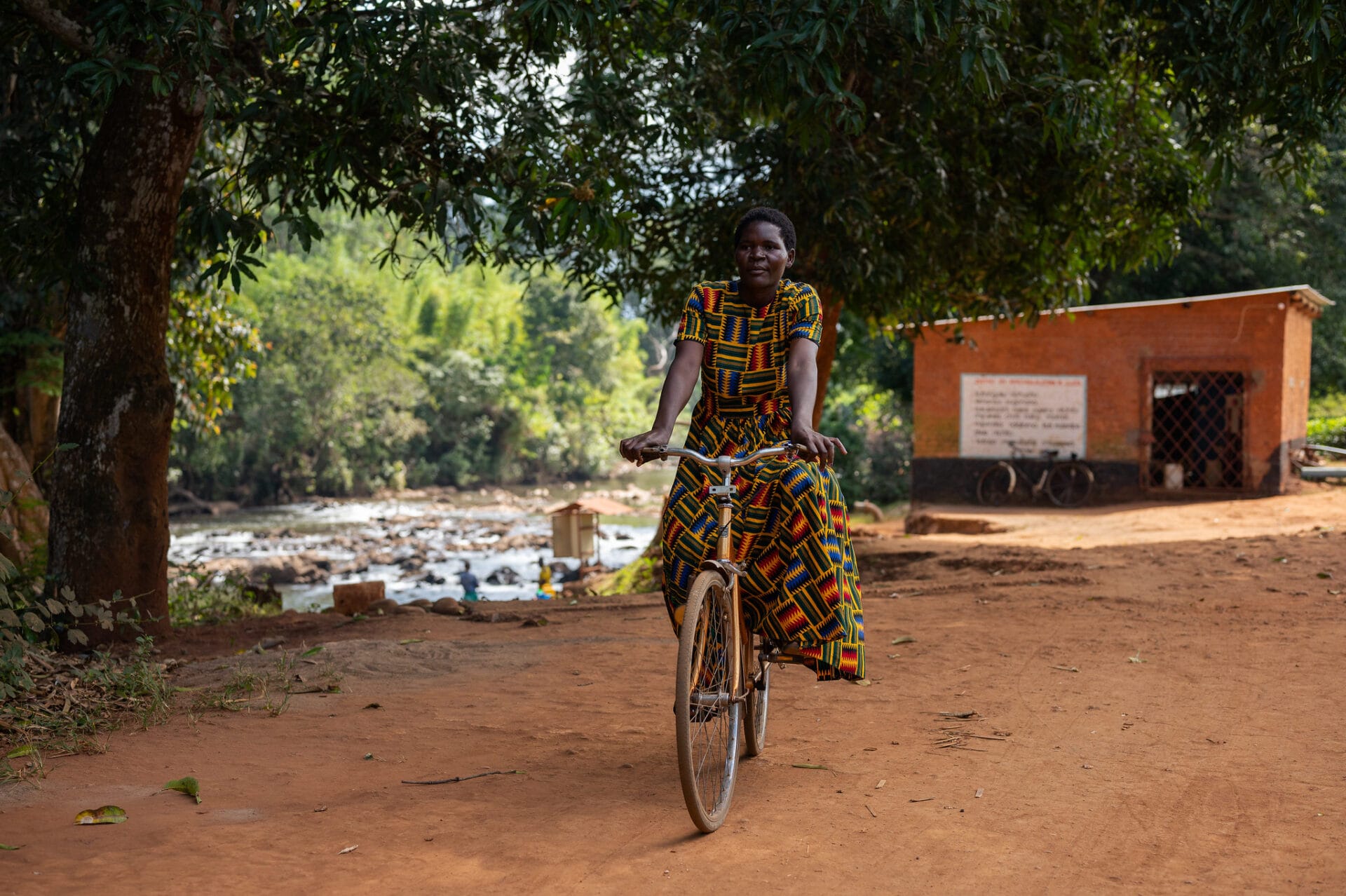
Eliza has used her savings to buy a bicycle and 20 iron sheets for her home.
Strengthening communities and supporting economic empowerment
Alongside establishing the savings groups, the project provided training in financial literacy, record-keeping, and business development. As a result:
- 100% of participants reported saving money, up from 43% at baseline.
- Access to credit rose to 88.6%, with 97.7% of loans sourced through VSLAs.
- Income-generating activities increased, with 85.2% of participants developing new income streams up from 27.5% at baseline.
- Women’s representation in leadership roles increased, with women holding 45.1% of VSLA leadership positions and 50.75% of workplace committee roles.
- Food security improved, with more participants reaching acceptable levels (38.8%, up from 30.25% at baseline), and 63.1% experiencing little or no hunger.
- Women’s empowerment increased significantly, with 96.4% of women reaching high levels of empowerment, reflected in greater confidence, participation in decision-making, and leadership roles.
The project also contributed to broader social impacts, including increased economic independence and household stability, reduced vulnerability to exploitation, and increased confidence for women to participate in community leadership.
Many participants reported being able to pay school fees, renovate homes, and start businesses—tangible signs of improved living standards and resilience.
All images: ETP/Homeline Media